Read the full deal writeup
Sign up for a free Accredited account to read the editorial writeup, financials, and broker contact for this deal.
Get Free AccessFull Editorial Writeup
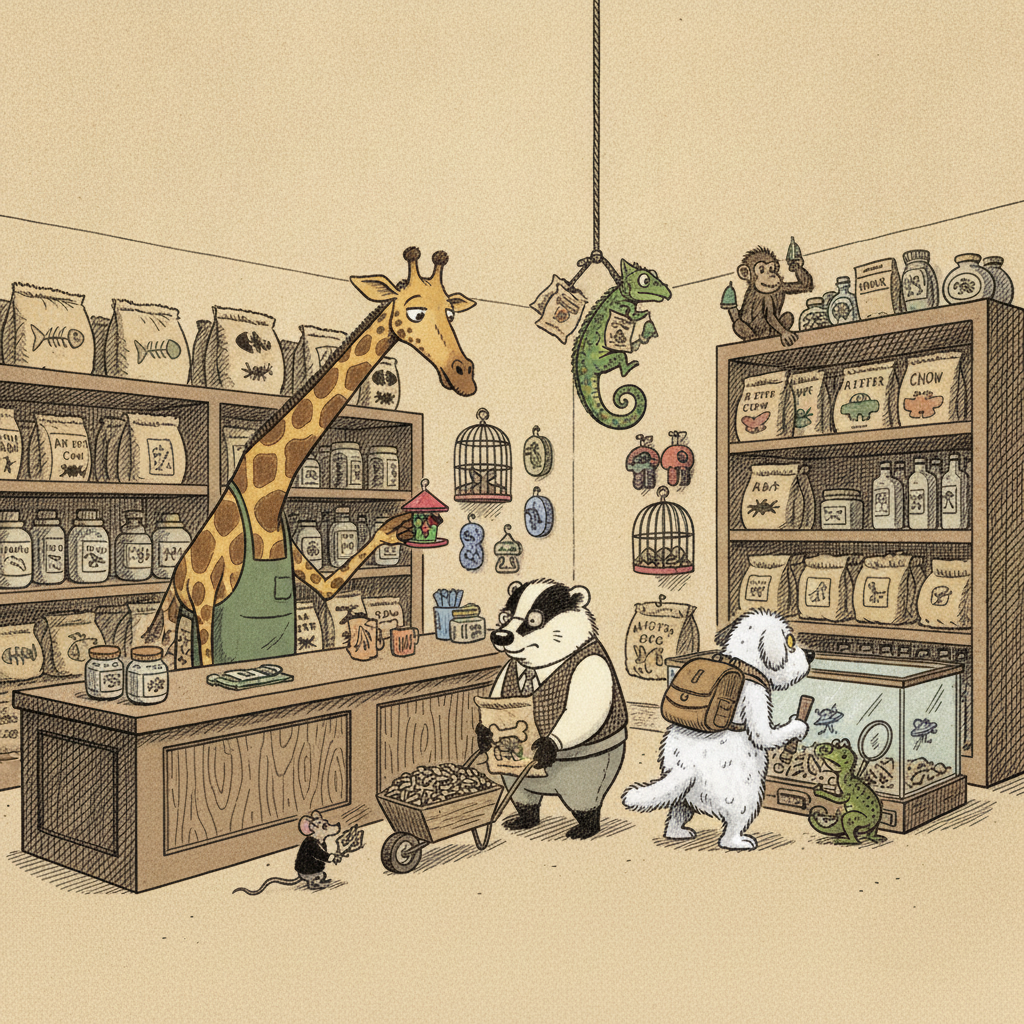
Maggie's Foods for Pets is a specialty pet retailer operating from a high-traffic storefront at West Boylston Square Plaza on Route 140 in West Boylston, Massachusetts. Established in 2009, the business sells all-natural pet foods and treats for dogs, cats, and small pets, with a product mix that spans raw dog food, dry food, freeze-dried options, and various premium natural brands. The store has built its reputation on customer service and a curated selection of healthier products that command better margins than commodity kibble.
The economics are the story here. On roughly $1.68m in trailing sales, the business throws off $509k in SDE, a 30 percent owner-earnings margin that is exceptional for a single-location retail operation. That margin points to a loyal, repeat customer base buying consumable products they replenish month after month, plus a lean seven-person staff described as long-tenured and skilled. The asking price of $988k plus inventory implies a sub-2x multiple on cash flow, which is aggressive pricing for a mature, profitable specialty retailer.
The seller is retiring and the location is leased, so this is a going-concern operations sale. The listed value drivers include an untapped opportunity to add pet grooming services, a recurring, high-margin attach that could lift both revenue and stickiness. The 2026 forecast is roughly flat on sales and slightly down on SDE, so a buyer should underwrite this as a stable cash cow rather than a growth story unless they execute the expansion levers themselves.
Why we like it
- Earnings quality is the headline: $509k SDE on $1.68m revenue is a 30 percent margin, which is rare for single-store retail and signals real pricing power in premium natural pet food. Consumable replenishment purchases from a loyal base make this cash flow more predictable than typical retail, and the sub-2x multiple means you recover capital fast if the numbers verify.
- Pet food is genuinely recession resistant because owners keep feeding their animals through downturns, and premium natural food buyers are a stickier, less price-sensitive cohort. The demand is non-discretionary consumption, not one-time discretionary spend, which protects the revenue line when consumer wallets tighten.
- The premium and natural pet category has ridden a multi-year humanization-of-pets tailwind, with raw, freeze-dried, and health-focused products growing faster than commodity food. Maggie's already sits in the profitable end of this mix, so a buyer inherits a position in the segment that is expanding rather than one being commoditized by mass retail.
- The staff is described as long-tenured and skilled, and the seller is retiring rather than fleeing a broken business, which lowers execution risk for an operator. An owner willing to add grooming, delivery, or a subscription program has clear, funded upside beyond the flat base-case forecast.
How to improve it
- Launch the pet grooming service the listing already flags as a value driver. Grooming is a high-margin, appointment-based revenue stream that drives repeat foot traffic and cross-sells food and treats, and it can be added in existing or adjacent square footage with a few trained staff.
- Build an autoship or subscription program for food and consumables to convert loyal walk-in customers into recurring monthly revenue. This smooths cash flow, raises lifetime value, and makes the business materially more valuable and defensible against Chewy and Amazon at your next exit.
- Stand up a local delivery and click-and-collect option to defend against e-commerce leakage. Same-day local delivery of heavy bags of food is a genuine convenience advantage over national shippers and keeps price-sensitive customers from drifting online.
- Mine the customer data to build a loyalty and email program targeting the repeat food buyers who drive the margin. Segmented promotions on treats and health products lift basket size, and a formal loyalty program creates switching costs that raw price competition cannot easily break.
- Audit and optimize the product mix toward the highest-margin natural, raw, and health SKUs while trimming slow-moving commodity items that tie up inventory. Better shelf productivity funds the grooming and delivery investments without additional outside capital.
- Negotiate improved vendor terms and explore buying-group or distributor consolidation now that a new owner is underwriting the business. Even a two-point improvement in cost of goods on $1.1m-plus of purchases drops meaningful dollars straight to SDE.
- Evaluate a second location or a satellite delivery hub in a nearby Worcester County town once the core is stabilized. The single-store model has a proven, high-margin playbook, and disciplined replication is the cleanest path to growing enterprise value.
Diligence notes
- Verify the $509k SDE against 2025 Schedule C, tax returns, and bank statements, and understand why the 2026 forecast shows sales up but SDE down to $490k. A declining forward earnings estimate on rising revenue can signal margin compression, rising rent, or one-time addbacks that inflate the reported cash flow.
- Scrutinize the lease terms since the real estate is leased and location on high-traffic Route 140 is a core value driver. Confirm remaining term, renewal options, rent escalators, and transferability, because an unfavorable or short lease at a destination retail spot is an existential risk to this cash flow.
- Quantify online competition exposure from Chewy, Amazon, and big-box pet retailers on the same product lines. Understand what share of revenue comes from repeat local buyers versus price shoppers, and test how the premium natural mix holds up against national shipping discounts.
- Assess customer and staff concentration and the retiring owner's role in the business. Confirm whether the seven employees stay post-sale, whether the owner personally drives key vendor or customer relationships, and negotiate a transition period since none is currently disclosed.
- Confirm the inventory value added on top of the $988k price and its condition, since perishable raw and freeze-dried food carries shrink and expiration risk. Get a dated inventory count and shrink history to avoid overpaying for stale or slow-moving stock.
Source
Want the full analysis on every deal? Unlock the complete platform with Accredited Pro to screen live listings and read our operator-level writeups.